February 2013
Island sales on the up in New Zealand
This month, we caught up with Glenn Dick, the three times winner of Bayley’s Real Estate Salesperson of the Year to find out his thoughts about the private island market in New Zealand.

Glenn Dick, Bayleys
“I specialise in the Marlborough Sounds region at the top of the South Island, New Zealand. Here the north-eastern coastline is an intricate mix of islands, sheltered coves, forested ridges and headlines that probe into Cook Strait. Known collectively as the Marlborough Sounds, these waterways are a classic ‘drowned valley’ landform; ancient riverbeds that were invaded by rising sea levels before and after the last ice age. The Sounds is a region of contrasts between shelter and storm, human occupation and nature conservation. Its 1400 kilometre coastline makes up of 15% of New Zealand total.
The real estate market along with the rest of the world experienced boom years form 2001 – 2007 and up until 2011 it was relatively quiet and decreasing in values were seen. Last year in 2012 we saw a swing to positivity and an increase with over double the amount of transactions happening, general confidence from buyers and an increase in higher end properties being traded. This we account to several factors, the first being a general change in attitude that after 5 years of recessionary times buyers are now recognising now is a good time to be securing their part of Sounds paradise. Secondly after the devastation of the city of Christchurch through earthquakes two years ago, ex Christchurch investors are now receiving insurance pay-outs where they are looking for alternative areas to reinvest in and along with the rebuild and re-establishment of the city, finance is now filtering through into the pockets of what is a major market buying market for the Marlborough Sounds.
Over the last 12 months one of only the few private islands in the Marlborough Sounds, Puangiangi Island located on the eastern shoreline of d’Urville Island was sold for $1,400,000 NZD and also just before Christmas the Island type land form being the Peninusla known as “Te Kopi” located right at the head of Pelorus Sound in Port Ligar was traded. This 566 hectare land form is connected to the main land only by a narrow neck where a predator proof fence has been established to create a sanctuary environment to reintroduce and establish endangered New Zealand native animals. Te Kopi was sold for $1,300,000 NZD.”
Glenn Dick belongs to the top 5% of Bayleys salespeople in New Zealand and has been awarded Salesperson of the Year for Bayleys Marlborough consecutively for 3 years running. Responsible for the sales of hundreds of properties, if there’s a deal going down in the Marlborough Region, the chances are that this country and waterfront specialist knows about it. See Bayleys.co.nz for further information.
October 2012
The Unstoppable New Trends in the Island Market
Vladi Private Islands founder Farhad Vladi gives PIN readers his expert views and advice on the most important new trends that are changing global island market forever.
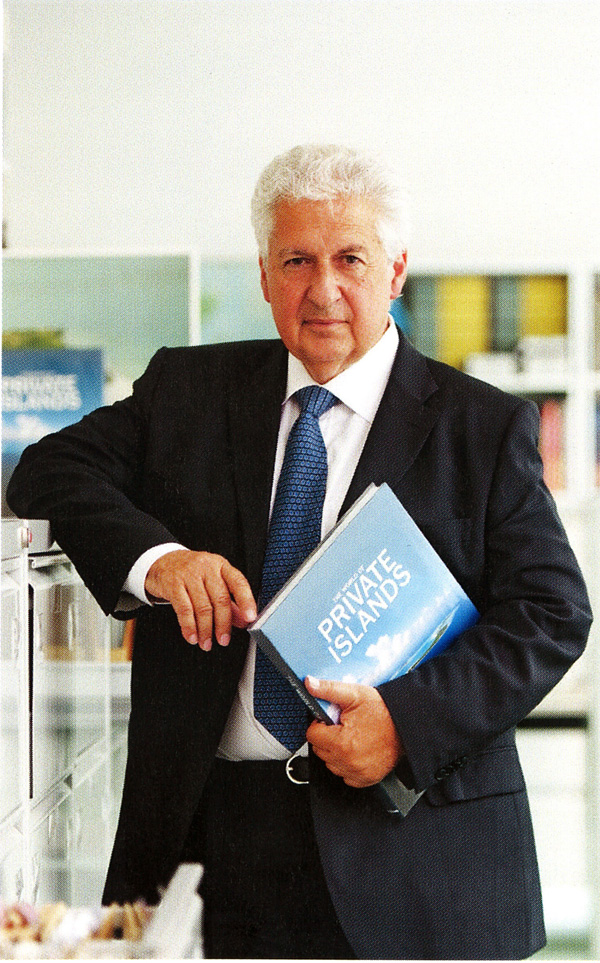
(Credit: Maria Schiffer)
In recent years the governments, Nature Trusts and Nature Conservancy Groups of many different countries have all come forward to buy islands. Indeed, not long ago, a prime island in Nova Scotia was sold for a substantial price to the Nature Trust. A very big change was afoot, however. Unlike previous occasions, where public money was used to secure the deal, the purchase of this particular island was financed by a very prominent local businessman, who donated private money to secure the protection the future enjoyment of this island for the people of Nova Scotia.
It is becoming more and more common to see the government of various countries purchasing islands. From France to Scotland and England to New Zealand and beyond, the governments of these countries can be seen making use of the recession to purchase islands for low prices. It is popular move for politicians, who are keen to promote the purchase of islands from private hands into public hands.
What the future will look like:
This conservation trend is almost certain to continue and will be visible almost everywhere except for those islands that already have substantial developments upon them. The British Virgin Islands, for example, has issued a policy according to which the government makes use of their right of first refusal regarding any undeveloped islands which appear on the market. This is very much the trend. Who will be the island owners of the future? In my opinion; it will be conservation-minded public or private island owners, and developers of hotels and resorts.
The other trend in the private island market is that people do not want to own, but more enjoy. This new direction has given a considerable boost to the island holidays and island travel market and has made a difference regarding development too. More and more island are developed for short term holidays – whether a resort or privately owned. Many island lovers are asking themselves the following question: why buy and have the burden of responsibility when I can enjoy the exclusivity of an island holiday instead? This way, the traveler even has the right to complain!
In the island market there is no such thing as black and white. There are many shades in between. That said, the trend appears to be obvious – the Seychelles D’Arros Island is a textbook example of how private islands are transferring from the private to the public, and is now run by a nature conservancy group. Vladi Private Islands sold it to the emperor family of Iran, who very much enjoyed it, it went to Ms. Bettencourt, who also obviously enjoyed it, and now it is a nature reserve. Great Dog Island in the British Virgin Islands has taken exactly the same path.
We, as supporters of private island ownership can assist the island owners with advice about what to do and how to be prepared.
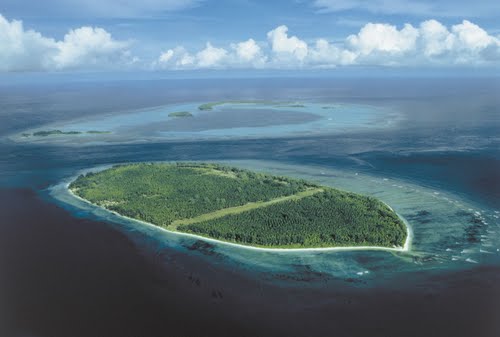
(D’Arros Island Photo by F. Vladi)
These are our recommendations:
Find out whether your island has potential as a resort or a home which can be rented out to island holiday tourists. If neither of this is likely, consider selling now to a nature conservancy group or a government, as long as governments and trusts are paying market value! In this particular case I would also strongly recommend getting a building permit for the island first of all. After all, an island with a permit can be appraised for a higher value.
This trend is unlikely to change, as it is already very much in place, is attracting attention and is even supported by several prominent business people.
The private islands owners should investigate the highest and best use of their island, look at the trend and reconsider what is the best for the future. A sale to trusts and governments could be the best avenue. Vladi Private Islands can be of assistance to share our experience – we have already been involved in more than 25 sales to governments, nature trusts and nature conservancy groups.
Farhad Vladi
Founder and President, Vladi Private Islands GmbH
Contact: info@vladi.de
http://www.vladi-private-islands.de/
June/July 2012
Are Celebrities Giving Up The Private Island Lifestyle?
An Interview with Farhad Vladi, Founder and President of Vladi Private Islands
In recent years, a number of famous individuals have made news by selling their privately-owned islands, but according to island expert Farhad Vladi, this does not reveal a bigger trend.
(Credit: Maria Schiffer)
Late last month, international headlines were made when the luxurious Quebec island property owned by Celine Dion was listed on the market for close to US $30 million. A sprawling estate located close to Montreal, the island’s French-Normandy chateau had been a labour of love for the singer and her husband. Other well-known individuals who have decided to part with their island getaways over the last few years include Nicholas Cage, Microsoft co-founder Paul Allan, and the Ferragamo family.
More recently, American entrepreneur Craig McCaw, who clocks in at #804 on the Forbes Billionaire List, decided to put to market his large James Island. Found off the coast of B.C.’s Vancouver Island, the island is listed for a jaw-dropping US $75 million, making it the most expensive residential property for sale in Canada. And news has just broken that billionaire David Murdoch has decided to part with Lanai, his famous island in Hawaii. Does this mean that the love affair between celebrities and private islands is over?
The answer is a resounding no, according to Farhad Vladi, founder of the world-renowned private island brokerage Vladi Private Islands. As a successful ‘international island broker’ who first entered the business in 1971, he has been a part of many island sales, purchases and rentals on the part of celebrities, and has closely monitored the ebb and flow of this unique area of real estate. He says that the truth about the private isles of the rich and famous is not always represented accurately in the media – and some of the details he reveals are highly surprising.
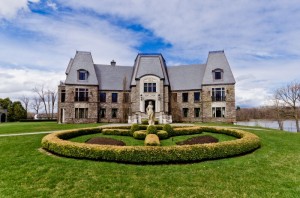
(Celine Dion’s Ile Gagnon, Quebec)
In fact, Mr. Vladi says that a number of the celebrities often included in lists of private island owners, published by the media or on the internet, are not actually island owners in the first place. Actor Leonardo DiCaprio, who supposedly purchased Blackadore Caye in Belize to build a resort, is one such case, he says. “He only has a small shareholding, but the idea was to market the resort and island and his name would have been useful.”
“The same is the case with Shakira and Bond’s Cay in the Bahamas,” he continued. These misrepresentations have a simple motivation, says Mr. Vladi; valuable publicity for developments or other business ventures. In other situations, like with the false claims that comedian Eddie Murphy bought Rooster Island in the Bahamas, it may have been a misunderstanding. The island is actually owned and rented out by the country’s government.
As for the celebrities who truly have decided to part with their paradise isles, Mr. Vladi attributes these decisions to personal reasons. In the case of the Ferragamo family selling White Island in Grenada, he was involved both in the sale and the purchase of the island, almost 20 years apart. The start of a new business manufacturing sailboats in Finland simply left Mr. Ferragamo with little time to travel to the Caribbean and enjoy his island.
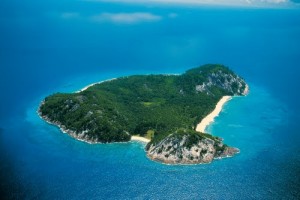
(Royal Honeymoon Spot North Island)
Again, with the sale by actor Nicholas Cage of his Bahamian isle, Leaf Cay, Mr. Vladi believes that it was a private matter, unrelated to the property being an island. Recent media reports about the listing of James Island by McCaw and his family attribute the sale to lifestyle conflicts; the island’s broker told CBC News that with school-aged children, the family simply doesn’t have spare time to devote to their Gulf Coast isle. In the case of David Murdoch, the mayor of Maui has said that the 89-year-old can’t commit to the long-term revitalization projects that the money-losing resort island needs.
In recent years, a place where celebrity interest in islands truly shows itself is in island rentals. The travel department of Vladi Private Islands, headed by Olaf Lock, has rented far-flung isles to football stars, Hollywood actors, and even royalty.
Mr. Vladi attributes this to many reasons; two prominent ones are security and variety. “We have been proud to have arranged many island rentals; Bill Gates booked Frigate Island, Prince William and his new wife honeymooned on North Island, an island we have sold twice, including to the present owner, Wilderness Safari. Angelina Jolie and Brad Pit rented North Island as well. Sergey Brin of Google vacationed on Musha Cay.”
And many celebrities continue to own or buy islands, he says, even if it’s not splashed across news headlines – while a famous owner may be a selling point when an island comes to market, prominent individuals often prefer to keep their ownership quiet while enjoying their hideaway.
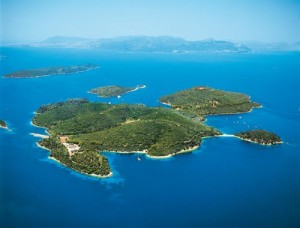
(Onassis family’s Isle of Skorpios
“Celebrities like Johnny Depp and Richard Branson have been open about their purchases, and it is common knowledge that the heirs of Marlon Brando and Aristotle Onassis have kept their islands, but others make a strong effort to maintain privacy,” he says. “Just recently we sold an island in the Caribbean to one of the Forbes 100 but we signed a confidentiality agreement. I wish I could say who it is – the name would be instantly recognizable to most people – but of course I can’t.”
Throughout his long career in the business of private islands, Mr. Vladi has witnessed the many cycles of the market, and feels, with his insider knowledge, that the pairing of privacy-seeking celebs and islands is here to stay. “Some famous people have listed their islands, but a trend – definitely not! Islands and all they have to offer are still a focus of celebrities.”
Visit the Vladi Private Islands website: Link
May/June 2012
How to sell a private island in Scotland

Ran Morgan, Knight Frank, Scotland
Ran Morgan, Head of Knight Frank’s Scottish residential department, Knight Frank
- Make your property as unencumbered as possible. Any issue that could delay conclusion of missives could severely hinder the sale
- Set a realistic asking price, over pricing stifles enthusiasm. Well priced property is trading well but it is a fine balance
- Agricultural land of class 3(1) Arable or above continues to be in great demand
- In the prime Scottish market it is the International and London money that is the most active
- If you are thinking of selling next year have your property photographed this spring/summer so that you are not held up by the weather
April 2012
So you want to live on an Island?!
Jenny & Frits Hannenberg, Right Hospitality
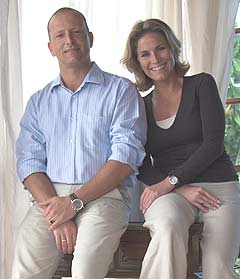
Jenny and Frits Hannenberg, Right Hospitality
Imagine crystal clear turquoise water, coconut palm trees gently waving in a soft breeze, the warm sun high in the blue sky and the feeling of pristine white sand from under your feet.
‘Are you living on an Island?’ is a question Jenny & Frits Hannenberg has been asked many times in disbelief, and for good reason; because they are! And not just for fun, but to ensure all guests and owners can experience that luxuriously ‘spoiled’ feeling one has when residing on a Private Island.
“Generally the next remark is: ‘That must be amazing!’ and indeed it is!” admits Jenny. Leaving corporate functions over a decade ago to pursue their passion of managing, improving and upgrading resorts on (Private) Islands for their owners has been the best decision Jenny and Frits made, followed by the purchase of a Swiss army knife.
“We soon found out that tools like these are bare necessities, besides relying on our Hotel University backgrounds” says Frits with a big smile. “An Island is by nature a miniature self-supporting system on which all electricity and water provision are basic elements”.
Not infrequently these systems were inherited with some ‘minor’ construction mishaps. “There was for example an Island resort where all hot and cold water pipes were reversed and another where the kitchen hood drew so much power that the rest of the Island blacked out; of course always over dinner service!”.
“Murphy is always on the lure; water-pipe breaches, generator or washing machine malfunctions only happen with a full house and fuel deliveries done when guest are having beach lunch”. Sourcing and procurement gets another dimension altogether. “Finding the right products at the right price at the right time from a consistent supplier can become a tricky process”.
“The strongest emphasis is always placed on guiding the people and staff on Island” states Jenny firmly. “More than often these persons have been part of the Island for the longest time and are a database of knowledge easily overlooked”.
Their custom made guidance programs proved their value many times in the processes of upgrading existing Private Island resort operations to modern day standards. “Basic training and knowledge acceleration is far better digested and displayed by local Island employees. They have a higher level of pride combined with a somewhat lower level of education which is opposite of regular expatriates”.
“You have to adapt your management approach to the specific Island culture. In some locations ‘time’ has a relative meaning and on others the word ‘yes’ means ‘yes, no, maybe or perhaps when I feel like it’ but these cultural differences make the job so much more rewarding” explains Frits.
“Naturally our guests will almost never see the effort our staff and management is usually making behind the scenes to move all chairs and tables several times per week from the restaurant to the beach and back, or the immense amount of manpower required to transport the liters of wines and soft drinks, kilograms of flour and meat onto Island’.
“People are always curious what we do on our day off” exclaims Jenny amused. “Well, about the same all other people are doing; diving, sailing, swimming, and doing groceries or visit a nearby Island when possible. You do however develop a different view on material goods and luxurious necessities when the nearest shopping mall is over an hour’s flight”.
Looking back with a laugh, Frits shares “I still remember our first employer in the Seychelles, upon signing the contract, asking us ‘So you want to live on an Island?’… We’re still happy we said yes!”
Jenny & Frits Hannenberg run a company specialized in managing small upscale (Private) Island resorts. Their information and activities can be found at www.right-hospitality.com.
Jan 2012
Nova Scotia Island Market Report 2011
Tim Harris, Tradewinds Realty
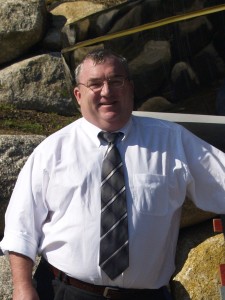
(Tim Harris, Tradewinds Realty)
For Tradewinds Realty and real estate brokerage in Nova Scotia, Canada, 2011 started off quite well in comparison to 2010. In 2010, there was a definite reluctance by the market to consider purchasing above the $1 million range, for any type of real estate product. However, this year was different, 2011 started off with a plus million dollar sale of a waterfront home in Chester, NS, followed quickly by another sale of almost $2 million. This trend continued through the entire year, with thirteen sales above a $900,000 and a record residential sale of a five acre waterfront estate for over $6 million.
Our property inventory peaked at 1,000 listings for sale over the summer and has settled back to approximately 800 properties for sale, which is above average for us at this time of year. In 2010 we made over 500 property sales and finishing out 2011 we have logged almost 600 sales.
If there is any trend emerging, it is the return of interest and investment in high value real estate. Our experience has been over the past year that pricing is the most important aspect of the marketing mix. If the potential buyer sees an asking price that immediately reflects value, it is much more likely a sale will take place. But if the potential buyer has to explore the property to find value or the value has to be explained in some lengthy way by the broker, the potential buyer quickly loses interest.
In this market, correct pricing is 99% of the challenge. In other years, it was possible to over-price a property for the market and still attract interest and a possible offer. Not anymore. Buyers will not put up with dubious high pricing, they are looking for value: not necessarily cheap real estate, but well priced properties. It is not that they are demanding. What they want is real estate that will not go down in value over the coming years and is a secure investment for the long run. This does not have to imply a huge upside in a few years, just not a diminishing value over time.
Our gross value of sales for 2010 was $122 million, this year 2011 we have had a 29% increase in sales volume culminating in gross sales of $157 million. Most of the increase can be attributed to individual sales over $1 million.
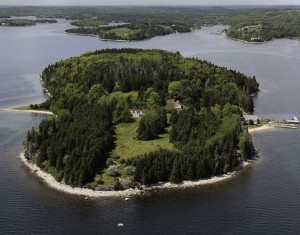
(Big Gooseberry Island, Mahone Bay)
However, our island sales were off-target. Of the five or six islands we marketed this year, only one sold in late October. Our island values range from $49,000 to $9.5 million, with the best-valued island being Big Gooseberry, a fifty acre island in Mahone Bay priced at $5.5 million, complete with two full homes, nature trails, docking and boat haul-out facilities and only minutes to the mainland.
While island sales were down, the most sought-after properties were still private estate properties with good acreage that afforded island-like privacy or refuge.
The present global banking crisis is a definite hindrance to our global market and our normal everyday property sales, as many international consumers keep their wallets in their pockets, but the higher-end properties seem to be of interest to those that want to put their cash in ‘terra firma’ and not in the stock or money markets. We do not have predictors out as to what 2012 will bring us. Hopefully there will be continued interest in all our properties and that island sales will be our next boost in business.
Tim Harris has been a real estate broker for 24 years and is the owner of Tradewinds Realty, a Nova Scotia real estate company with five offices throughout the province catering to waterfront, islands and
unique real estate.
Nov 2011
Governments and NPOs Acquiring Private Islands worldwide!
Farhad Vladi, Founder and President of Vladi Private Islands
Farhad Vladi
In the last five years, and especially in the last six months, the trendof governments and nature conservancy groups buying islands in many countries has become obvious. With our unique global perspective, Vladi Private Islandshas seen this phenomenon happening in diverse places including Canada, the USA, the Caribbean Sea, Western Europe, UK, France and Africa and the Far East, as well as New Zealand and Australia. Whatever the reasons are, we are concerned about the effect this may have on private island owners, and how we can help them protect their interests.
For the last few years, we have been observing this trend and very carefully analyzing what prices private island owners receive from governments and nature conservancy groups, how these purchase prices have been established, whether there is any pressure being put on the owners to sell the island. We are learninghow toadvise private island owners who may have properties of interest: in essence, how to best protect them and how to increase the value of their island for a potential sale.
So far we have not observed any pressure except for one expropriation in Ireland, where the owner was not complying with reasonable rules about development and the preservation of a historical site.
The positive news is that I have observed very amicable and fruitful negotiations between island owners and governments or NPOs (Non-Profit Organizations). Both parties will have done their due diligence and valuations. If they agreed on a price, the transaction was settled. If not, both parties went their separate ways. As long as this trend continues, it is a positive trend, especially in today’s market when organizations can pick up islands for lower prices then they may have seen five years ago.
When the market is slow and many island owners are motivated to sell, they have a readily available buyer without needing to incur any marketing costs. In some countries, including the British Virgin Islands, governments impose a “right of first refusal” on island sales.This means that if a third party has signed an agreement with the vendor to buy the property, the government can exercise an option to complete the transaction on those terms. This works well and everyone is happy, except for the third party purchaser, who of course will be disappointed.
Private Island News (PIN) is monitoring this trend, and will keep readers informed whenever islands are purchased by governments and/or NPOs. The reader will see the effects, the prices (if publicized), the reasons for the purchase, and how the vendor feels about the sale.
The most important factor in ensuring a fair transaction is anisland’s valuation, for which comparable sales data is highly important. Vladi Private Islands has a precise database on comparable sales and is therefore involved in many consultations and even valuations. Vladi Private Islands has also been hired as expert witnesses and for appraisals by the Irish and US governments. As an appraiser, we know that an undeveloped island increases in value when it has a building permit, a conveniently located mainland property with a boat house, and other characteristics that cost little to the owner but increase the value of the island exponentially.
Islands with existing development are not so much the focus of government and NPO interest, as the sale price is anticipated to be too high. It is important that owners of undeveloped islands know what they have to do, according to a checklist, to bring the island to a point where a valuation will consider the property’s characteristics and result in the highest possible figure. Needless to say, the market will be the overwhelming factor, but still, smaller aspects like building permits will still play a great part. Then, the island can be compared to other islands with the same attributes.
So far,this recent movement of islands from private to public hands has beena positive for the island industry and not harmful in any way, however, expropriation or any other kind of pressure on the vendors could turn it into a negative. Rest assured that PIN and VladiPrivate Islands will observe thisimportant market trend very carefully, and report on any developing news.
Farhad Vladi
Visit the “Government buying Islands” section on privateislandnews.com and the official Vladi Private Islands website: www.vladi.de
| This is an extensive list of recent acquisitions of privately owned islands by governments and NPOs. | ||
| Country | Island Name | Size |
| British Virgin Islands | ||
| Great Thatch Cay | 300 acres | |
| George Dog | ||
| Green Cay + Sandy Spit | 16 acres | |
| Sandy Cay | 14 acres | |
| Canada | ||
| Anticosti Island | 1.950.155 acres | |
| Îles des Boucherville | 2011 acres | |
| Francis Noose Island | 450 acres | |
| Inner Sambro Island | 42 acres | |
| Psyche Island | ||
| West Ironbound Island | 150 acres | |
| Covey Island | 115 acres | |
| Backman Island | 49 acres | |
| Mason Island | 87 acres | |
| Stoney Island | 64.3 acres | |
| Goose Island | ||
| Gunner Island | ||
| Indian Island | ||
| Eel Bed Island | ||
| Andrews Island | 20 acres | |
| Long Island | ||
| Dry Island | ||
| Centre Island | ||
| Snipe Island | ||
| France | ||
| Île de Poquerolles | 3098 acres | |
| Île Verte | 1100 acres | |
| French Polynesia | ||
| Tupai Atoll | 2718 acres | |
| Ireland | ||
| Fota Island | ||
| Great Blasket Island | ||
| Spike Island | ||
| Puffin Island | ||
| Netherlands Antilles | ||
| Little Bonaire | 1500 acres | |
| New Zealand | ||
| Kapiti Island | 4855 acres | |
| Kaikoura Island | 1393.96 acres | |
| Little Barrier Island | 6960 acres | |
| Seychelles | ||
| Marianne Island | 238 acres | |
| United Kingdom | ||
| Staffa Island | ||
| Canna Island | ||
| St. Kilda Island | ||
| Fair Isle | ||
| Gigha Island | ||
| Eigg Island | 7660 acres | |
| Lihou Island | ||
| Lundy Island | ||
| USA | ||
| Plum Island | ||
| Great Gull Island | ||
| Charron Island | ||
| Santa Cruz Island | ||
| Island near Seattle | ||
| Vendovi Island | 220 acres | |
| Robin’s Island | ||
| Yellow Island | 11 acres | |
| US Virgin Islands | ||
| Water Island | 491 acres | |
Oct 2011
Fiji: Islands in Transition
Rick Kermode, Senior Property Broker, Knight Frank New Zealand
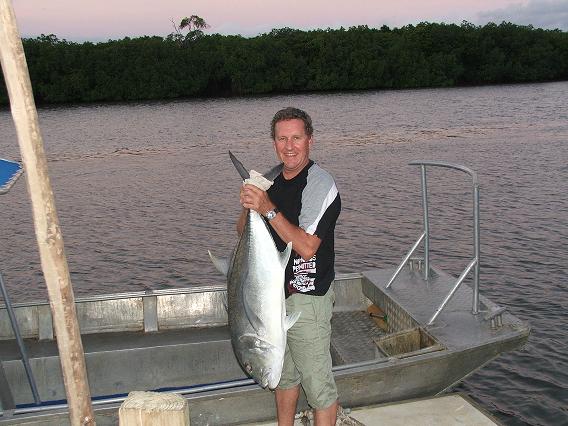
Rick Kermode, Knight Frank New Zealand
Having been born in Fiji and of second generation, I experienced some amazing times growing up here that I took for granted as a child. My home was in Lautoka, on the main island of Vitu Levi, and as a family we had access to all the pristine, untouched islands in the Mamanucas and Yasawa Islands. We regularly fished out in the beautiful wilderness and would stop at some of the islands for picnics, swimming and fun, almost as if we owned them.
My family has a long history with the islands; my father, Sir Ron Kermode, even handled the first tourism related sale of Malolo Island (Plantation Island) to Dick Smith, and today these resorts are well-known as Musket Cove and Plantation Resort. Today, there are numerous resorts in the region, including famous retreats like Turtle Island, where many of the scenes from the film The Blue Lagoon were shot. The market is far from over-saturated, though, and plenty of opportunities remain for buyers looking a new business – and a whole new lifestyle.
Fiji is blessed with over 300 islands, with some freehold and available for outright purchase by foreign buyers, although most are long-term leaseholds. The Fijian people have warmly welcomed the tourism market, and their hospitality, friendly nature, and interest in sharing their culture have all been a big part of why people enjoy Fiji so much. Even during times of political instability, land rights have been protected so foreign investors have never really had any problems here.
Since our current Prime Minister, Frank Bainimarama, took office, we have seen Fiji become more stable and certainly even safer. A recent Lowry Institute poll showed that Mr. Bainimarama enjoyed the support of 66% of Fijians, with 39% strongly supporting the notion he is doing a good job. Supporters of the administration compare these figures with the much lower approval ratings of leaders in Australia and New Zealand.
The rich and famous helped put Fiji on the map; the elite have focused on secluded, remote freehold properties, with the likes of the Forbes family, Mel and Robyn Gibson, Mr Raymond Burr, and the owner of Red Bull Energy Drinks are all past or present owners of Fiji real estate. Mel Gibson’s epic Mago Island, which he purchased in 2005, is one of the largest private islands in the South Pacific.
However, there are many opportunities to suit a variety of investors, even if you’re not a Hollywood celebrity; a 20,000 sqft luxury home on Wakaya is perfect for those who prefer not to own a whole island and go through the construction process, while others would love to get a near “virgin” island to custom-build a unique resort or home.
Today, there are still some excellent opportunities to buy tourism leasehold and freehold Islands, or large parcels of land along the coastline. They range from just a few acres in size to a sprawling 3000-acre parcel, or I have a 10,000 acre coastal block on Vanua Levu, partially covered with pine trees and with an incredible 25km of coast line.
Some of my current private island listings are freehold properties; Kanacea Island (3085 acres), and Adavaci Island (102 acres). Other islands I have available are on long-term leases, such as Yadua Island and Narara Island in the Mamanucas Group. There are also many more options, such as QoQo Island and the luxurious Rai Ki Wai House on Wakaya.
If you are considering Fiji, I welcome hearing from you, and am sure I can help you turn your island dream into reality.
Sincerely,
Rick Kermode,
Senior Property Broker
Knight Frank New Zealand
Aug/Sep 2011
Hurricane Irene Update
Our colleague John Christie (HG Christie Ltd.) from the Bahamas reports on Hurricane Irene
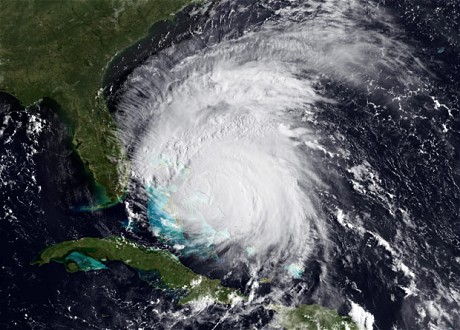
(Image from the National Oceanic and Atmospheric Administration)
This past week Hurricane Irene pasted over the archipelago of The Bahamas, brushing some islands and delivering a full blow to others.
Early updates have revealed damage mostly to vegetation and exterior structures, such as fencing and docks. We are still awaiting full reports from all islands, but Social Media, such as Facebook, is proving to be an excellent tool for insights and updates.
Summer is a great time for rollercoaster rides. However, like me, you probably wish we weren’t experiencing something akin to one on the economic market, or via turbulent weather systems such as Hurricane Irene.
These subjects are certainly capturing our collective attention recently and providing more twists and turns than most of us are probably comfortable with. The emerging news brings tentative solace. As we monitor reports on ‘Irene’ from the islands and are happy to say that personal safety seems to be sound. On the economic front, the news from the Federal Reserve stating that it will hold rates “Exceptionally Low” through mid-2013, provided investors a bit of a respite from the wild ride. This brings some support for investors wanting to take advantage of opportunities in the real estate market.
John Christie from HG Christie, Nassau, Bahamas
Jul 2011
PRIVATE ISLAND NEWS goes live
Private Island News (PIN) is a website service, which aims to gather and publish news and feature articles, to accurately reflect the state of the global private island market.
The web site will be a news reference point, which informs everyone in the industry about a wide variety of issues affecting the private island world.
PIN is also available as an App for iPhone. Look here>>
PIN will cover topics, among others including:
• Island market trends
• Market players
• Top island brokers
• Interviews with key players
• What is currently on the market
• Who the island owners are
• Island resort business trends
• Island price tags
• Interesting stories on individual islands
• Celebrities and private islands
• Impact of the last global recession on islands
• Environmental issues – climate change, solar power and water industries
• Nature conservancy groups and islands
• Governments owning islands and their policies for islands
• Politicians’ views
• Developing islands
• Checklist for buying islands
• Legal issues including island titles and occupancy rights
• Island literature
The range of subject matter is endless, and PIN will produce objective information giving the pros and cons about the private island world.
Journalists representing North America, Central America, Australia and New Zealand, Singapore and China and the Indian Ocean area will observe and report from their regions.
Scientific experts from the World Future Council (www.worldfuturecouncil.org) will write about the impact of the climate change on islands, and how to develop sustainable energy solutions for them.
We will also interview politicians to get an in-depth perspective of government attitudes towards policies about ownership and title for foreigners purchasing islands.
We hope this site will be as enjoyable as it is informative and look forward to receiving your ideas, suggestions and feedback.
Imagine crystal clear turquoise water, coconut palm trees gently waving in a soft breeze, the warm sun high in the blue sky and the feeling of pristine white sand from under your feet.
‘Are you living on an Island?’ is a question Jenny & Frits Hannenberg has been asked many times in disbelief, and for good reason; because they are! And not just for fun, but to ensure all guests and owners can experience that luxuriously ‘spoiled’ feeling one has when residing on a Private Island.
“Generally the next remark is: ‘That must be amazing!’ and indeed it is!” admits Jenny. Leaving corporate functions over a decade ago to pursue their passion of managing, improving and upgrading resorts on (Private) Islands for their owners has been the best decision Jenny and Frits made, followed by the purchase of a Swiss army knife.
“We soon found out that tools like these are bare necessities, besides relying on our Hotel University backgrounds” says Frits with a big smile. “An Island is by nature a miniature self-supporting system on which all electricity and water provision are basic elements”.
Not infrequently these systems were inherited with some ‘minor’ construction mishaps. “There was for example an Island resort where all hot and cold water pipes were reversed and another where the kitchen hood drew so much power that the rest of the Island blacked out; of course always over dinner service!”.
“Murphy is always on the lure; water-pipe breaches, generator or washing machine malfunctions only happen with a full house and fuel deliveries done when guest are having beach lunch”. Sourcing and procurement gets another dimension altogether. “Finding the right products at the right price at the right time from a consistent supplier can become a tricky process”.
“The strongest emphasis is always placed on guiding the people and staff on Island” states Jenny firmly. “More than often these persons have been part of the Island for the longest time and are a database of knowledge easily overlooked”.
Their custom made guidance programs proved their value many times in the processes of upgrading existing Private Island resort operations to modern day standards. “Basic training and knowledge acceleration is far better digested and displayed by local Island employees. They have a higher level of pride combined with a somewhat lower level of education which is opposite of regular expatriates”.
“You have to adapt your management approach to the specific Island culture. In some locations ‘time’ has a relative meaning and on others the word ‘yes’ means ‘yes, no, maybe or perhaps when I feel like it’ but these cultural differences make the job so much more rewarding” explains Frits.
“Naturally our guests will almost never see the effort our staff and management is usually making behind the scenes to move all chairs and tables several times per week from the restaurant to the beach and back, or the immense amount of manpower required to transport the liters of wines and soft drinks, kilograms of flour and meat onto Island’.
“People are always curious what we do on our day off” exclaims Jenny amused. “Well, about the same all other people are doing; diving, sailing, swimming, and doing groceries or visit a nearby Island when possible. You do however develop a different view on material goods and luxurious necessities when the nearest shopping mall is over an hour’s flight”.
Looking back with a laugh, Frits shares “I still remember our first employer in the Seychelles, upon signing the contract, asking us ‘So you want to live on an Island?’… We’re still happy we said yes!”
Jenny & Frits Hannenberg run a company specialized in managing small upscale (Private) Island resorts. Their information and activities can be found at www.right-hospitality.com.